Why Asking for Help Matters More Than You Think
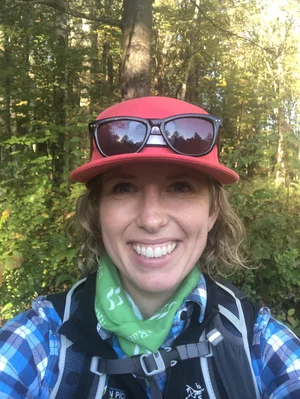
By Seoka Salstrom | Co-Founder, Athara Adventures | Psychology & Behavioural Science | 20+ Years’ Clinical Experience | Acceptance & Commitment Therapy (ACT)

Many of us were raised to believe that asking for help is a last resort or, worse, a sign of weakness. Strength, we were taught, meant self-reliance, handling things on our own, and not burdening others.
In a recent mini-workshop, “Why Asking for Help Matters More Than You Think,” psychologist and coach Seoka Salstrom, PhD, gently challenged this deeply held belief.
What emerged was a powerful reframe: asking for help is not a failure of strength—it is an act of connection.
The Stories That Stop Us From Asking
Seoka began by inviting participants to reflect on their own history with asking for help. For many, the barriers were familiar: pride, fear of judgment, cultural messages about midlife women, independence, or the belief that “I should be able to handle this myself.” Others shared that asking for physical help felt easier than asking for emotional support, naming the latter as especially vulnerable.
A common theme emerged: many people wait until they are desperate before reaching out. The workshop posed a critical question: what if we didn’t have to wait until things became overwhelming?
This is often where coaching can be most impactful. Not as crisis intervention, but as a structured space to reflect before overwhelm takes hold. In our coaching work at Athara, we often see how early, intentional support can shift the direction of growth.
Asking for Help as a Gift
One of the central teachings of the workshop was a shift in perspective: when we ask for help, we are not taking something away from others, but instead we are offering them something.
As Seoka explained, asking for help communicates trust. It says, “I trust you enough to let you show up for me.” For most people, being able to help someone they care about is deeply meaningful. It fosters closeness, strengthens relationships, and builds community.
Refusing help, or never asking for it, can unintentionally block that connection. Seoka likened it to turning down a gift someone genuinely wants to give.

Community, Reciprocity, and the “Big Circle”
The conversation also explored the idea of reciprocity. Many people hesitate to ask for help because they fear they won’t be able to “pay it back,” which feels like it goes against our values. Seoka introduced a broader, more humane model—what she described as a circle rather than a transaction.
Drawing on examples from rural and mountain communities, she described a kind of solidarity economy where help circulates over time. You may not repay the same person, in the same way, or at the same moment, but support finds its way back around. What matters most is participation: being willing to both give and receive.
Coaching can be one of the most intentional ways to practice this reciprocity. It is learning not only how to support others, but how to receive support with clarity and healthy boundaries.
Importantly, asking for help does not mean abandoning boundaries.
Healthy help exists within consent and capacity, both for the giver and the receiver. The workshop emphasized that it is possible to be generous without overextending, and to say, “I’d love to help, but I can’t right now,” without guilt.
Likewise, being specific when asking for help matters. Others cannot read our minds. Clear, concrete requests make it easier for people to show up and reduce misunderstanding or resentment on all sides.
The Takeaway
Perhaps the most resonant insight of the workshop was this: community is not built by being endlessly capable, it is built through mutual vulnerability. Asking for help allows relationships to deepen, trust to grow, and support to move in both directions.
If you find yourself always giving, always managing, or always holding it together, this conversation offered a gentle invitation to pause and consider: What might change if I let myself be supported?
Join the Next Mini-Workshop
This conversation is part of an ongoing series exploring emotional resilience, boundaries, identity, and connection. The next mini-workshop will continue to build on these themes, offering space for reflection, practical insights, and meaningful dialogue.