Why Walking Holidays Make Sense for Women in the UK
By Anna Berez | Director of Operations & Co-Founder, Athara Adventures | Wilderness First Aid | E-Mountain Bike Maintenance | Outdoor Group Management
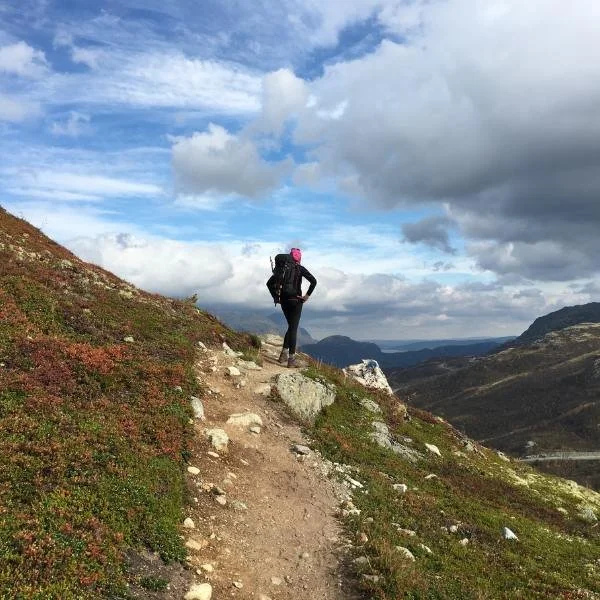
For many women in the UK, the idea of a walking holiday does not feel particularly radical.
Walking is already woven into daily life. Weekend paths. Coastal trails. Time outdoors used for thinking, decompressing, or simply being away from screens and noise.
And yet, when it comes to holidays, walking is often overlooked in favour of trips that promise rest through stillness, or stimulation through constant movement.
At Athara Adventures, we see walking holidays differently.
For many women, especially those balancing work, family, and responsibility, walking holidays are not an indulgence or an endurance test. They are a sensible, nourishing way to travel.
Walking fits how many UK women already live
Walking is familiar to many women in the UK. It does not require a shift in identity or ambition. It is already part of how people reset, think, and spend time with others.
A walking holiday builds on that familiarity.
Rather than asking you to adopt a new version of yourself, it offers continuity. You travel in a way that already feels natural, simply extended across days and landscapes that invite deeper attention.
This matters. Holidays that require you to become someone else can feel strangely tiring. Walking holidays tend to do the opposite.
A realistic response to limited time and energy
Many women in the UK are working within tight annual leave allowances and full personal calendars. Long-haul travel, jet lag, and complex logistics can turn a holiday into another project to manage.
Walking holidays in Europe offer a different equation.
Short flights. Minimal time difference. Landscapes that feel distinct without being disorienting. Travel that allows you to arrive and begin, rather than recover first.
For women who want their time away to feel restorative rather than demanding, this practical simplicity is part of the appeal.
Europe as a natural extension, not an escape
There is something understated about travelling within Europe.
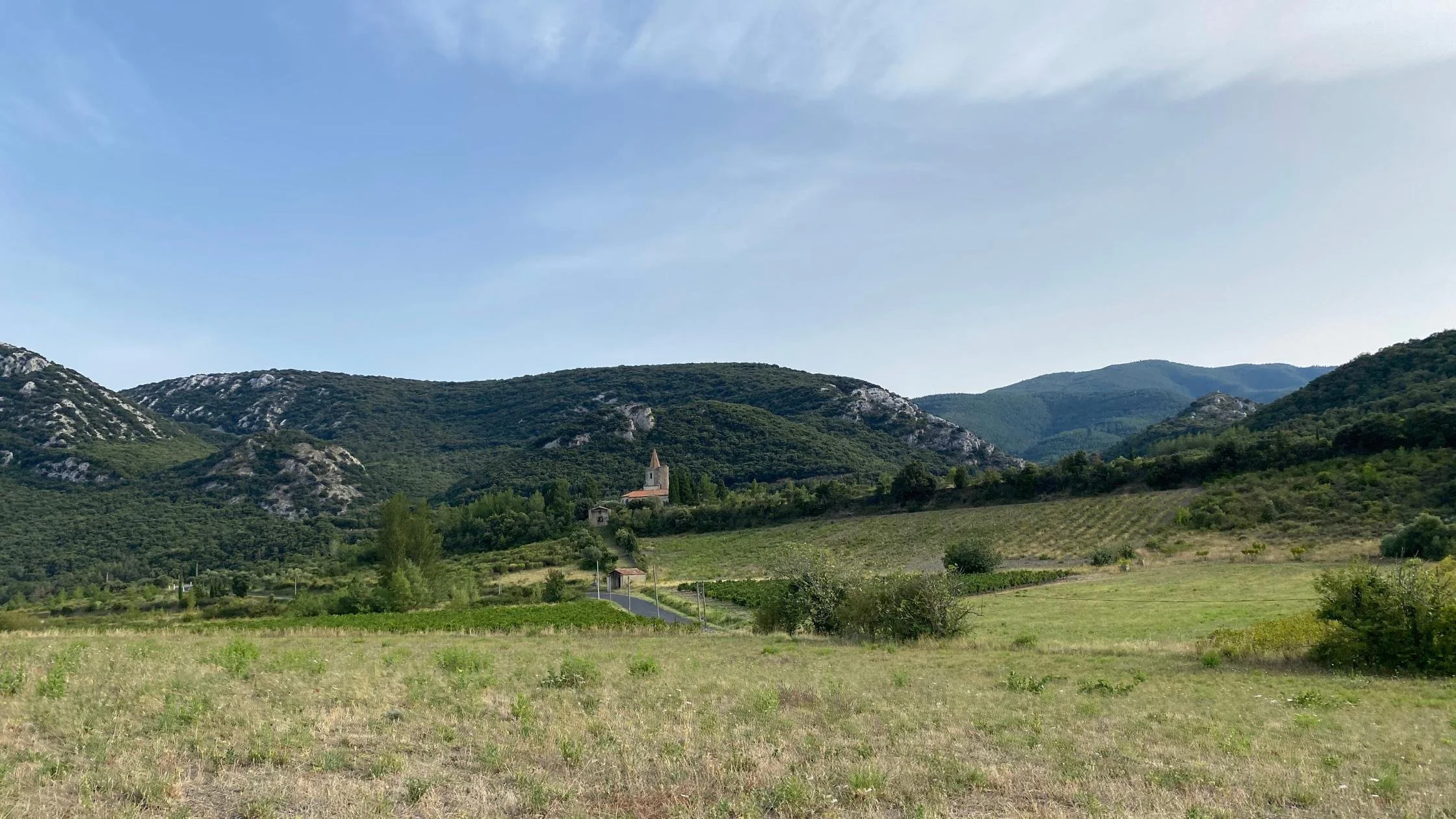
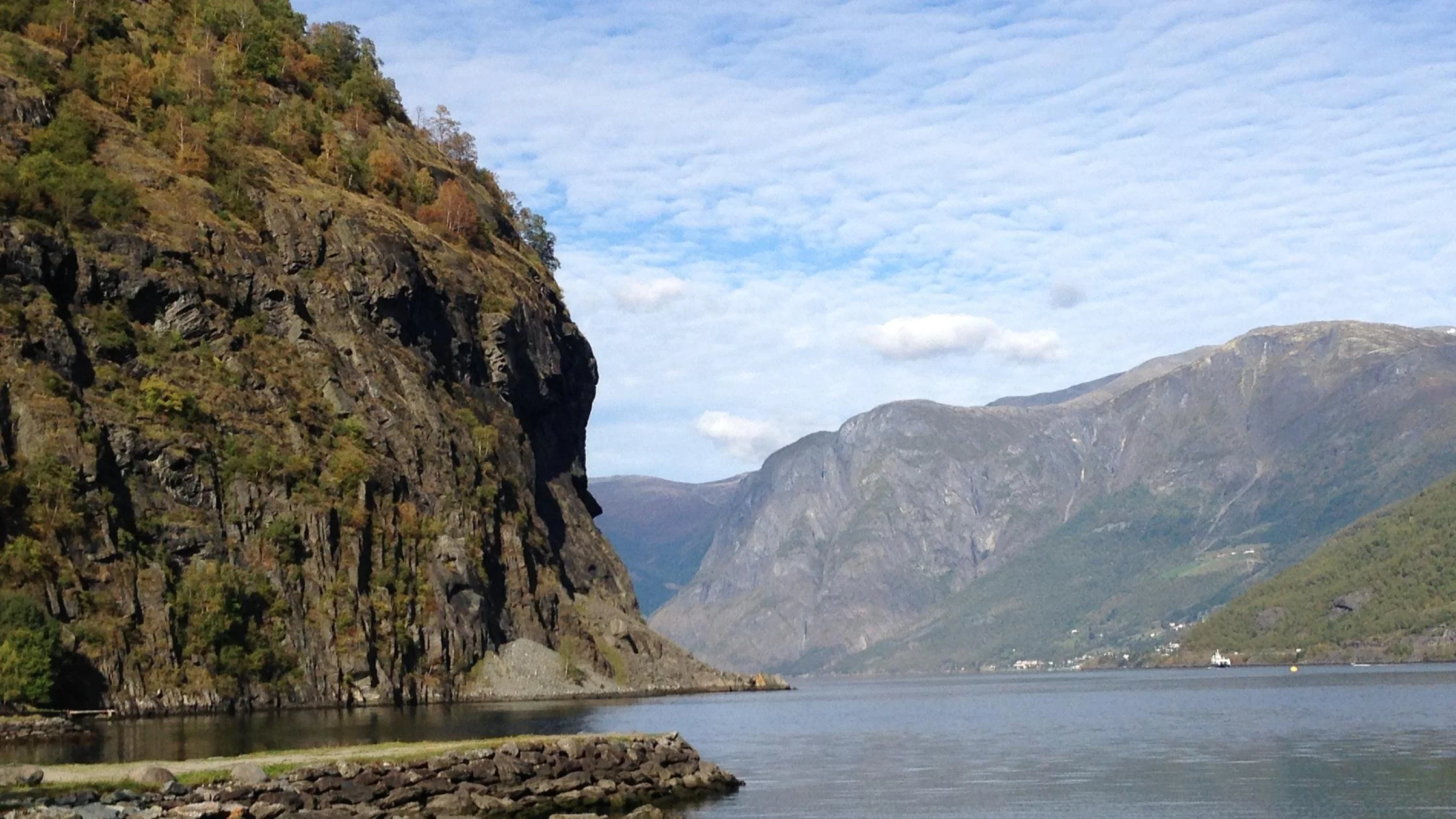
France, Spain, and Norway feel accessible without being ordinary. They offer cultural depth, history, and varied landscapes without the pressure to treat the trip as a once-in-a-lifetime event.
For UK-based women, this accessibility creates a sense of ease. You are not escaping life. You are stepping slightly to the side of it.
Walking through European landscapes allows you to travel slowly enough to notice where you are, rather than racing to justify the journey.
Walking as a way of travelling well
Walking holidays are often described as “active”, but this can be misleading.
The appeal is not about burning energy. It is about how energy is used.
Walking creates rhythm. Days unfold with a beginning, middle, and end. There is time to talk, to be quiet, to notice small details that would otherwise be missed.
Rather than compressing experience, walking allows it to stretch out and settle.
For many women, this feels like a relief from the pace and fragmentation of everyday life.
The importance of pace and design
Not all walking holidays are created equal.
What makes the difference is not distance or difficulty, but design.
Well-designed walking holidays:
balance walking with rest
allow for variation in energy and ability
build in time to eat well and sleep properly
respect that people carry different histories in their bodies
Poorly designed ones can feel rushed, competitive, or oddly performative.
For women who are already capable and independent, this distinction matters. Holidays should not require proving anything.
Walking holidays and travelling solo
Many women in the UK travel solo, either by choice or circumstance.
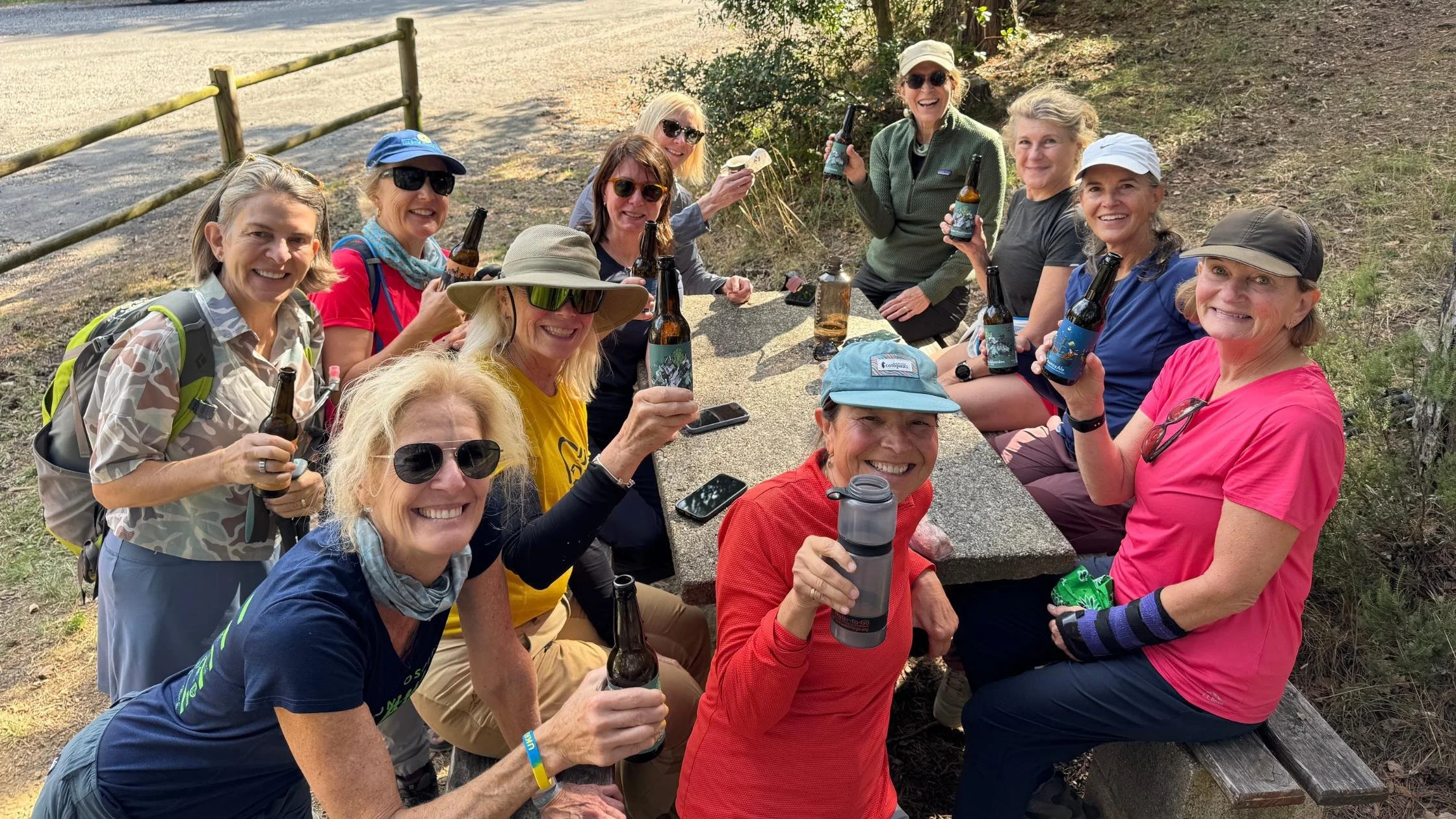
Walking holidays can be particularly supportive in this context. Small groups provide structure without pressure. Conversation happens naturally while moving, without the intensity of being seated together all day.
At their best, walking holidays allow you to be alone when you want to be, and connected when it feels right.
This balance is one of the reasons many women return to this style of travel again and again.
Why fit matters more than ambition
One of the most important aspects of choosing a walking holiday is fit.
Not just fitness, but fit in the broader sense:
How do you like to move?
How much structure feels supportive?
Do you enjoy shared experience or need space?
How do you respond to unfamiliar environments?
Honest conversations about fit are not about exclusion. They are about care. A walking holiday that suits your body, temperament, and expectations will always feel more rewarding than one chosen for how it sounds.
How Athara Adventures approaches walking holidays
At Athara Adventures, walking holidays are designed with these realities in mind.
Trips are founder-led, small in scale, and carefully paced. Routes are chosen not just for scenery, but for how days unfold. Accommodation and meals are part of the experience, not an afterthought.
The focus is on travelling well rather than doing more.
This approach tends to resonate with women who are thoughtful about how they spend their time and energy, and who value depth over spectacle.
A grounded way to step away
Walking holidays are not about stepping out of life entirely.
They are about stepping into a different rhythm for a while. One that allows perspective, movement, and rest to coexist.
For many women in the UK, this balance feels not only appealing, but sensible.
Walking holidays make sense because they respect reality. They meet women where they are, rather than asking them to be more, faster, or different.
At Athara Adventures, we believe that this kind of travel deserves care, honesty, and thoughtful design.
And for many women, it becomes not just a holiday, but a way of travelling that they return to again and again.