Postcard from Ariège: Looking Back on Summer in Southern France
By Athara Adventures
Summer in the Pyrenees has a rhythm all its own.
Now that September is here and the first hints of autumn are beginning to appear in Ariège, France, we wanted to look back over the past few months and share a few notes from summer, from each of us.
June, July and August brought long days in the mountains, time on the trails, cycling, local festivals, new connections, and plenty of reminders of why we love living and working in this corner of southern France.
It was also a summer that made us pay closer attention to the landscape around us. The long period without rain has made the mountains feel particularly fragile, while the trails have reminded us that this is a living landscape shared with farmers, animals, local communities and visitors. It has reinforced why responsible tourism is such an important part of the way we work.
For us, that means more than following Leave No Trace. It means supporting local businesses, eating locally and seasonally, understanding the culture and traditions of the Ariège, choosing how and when we travel, and thinking carefully about the experience we create for the people who come here.
As we move into autumn, here is a little of what each of us has been noticing over the summer: the connections made in unexpected places, the changing mountain landscape, the people and businesses that make this region special, and the small details that make a summer in the Pyrenees memorable.
Warmly,
Anna, Sarah, and Seoka
Athara Adventures
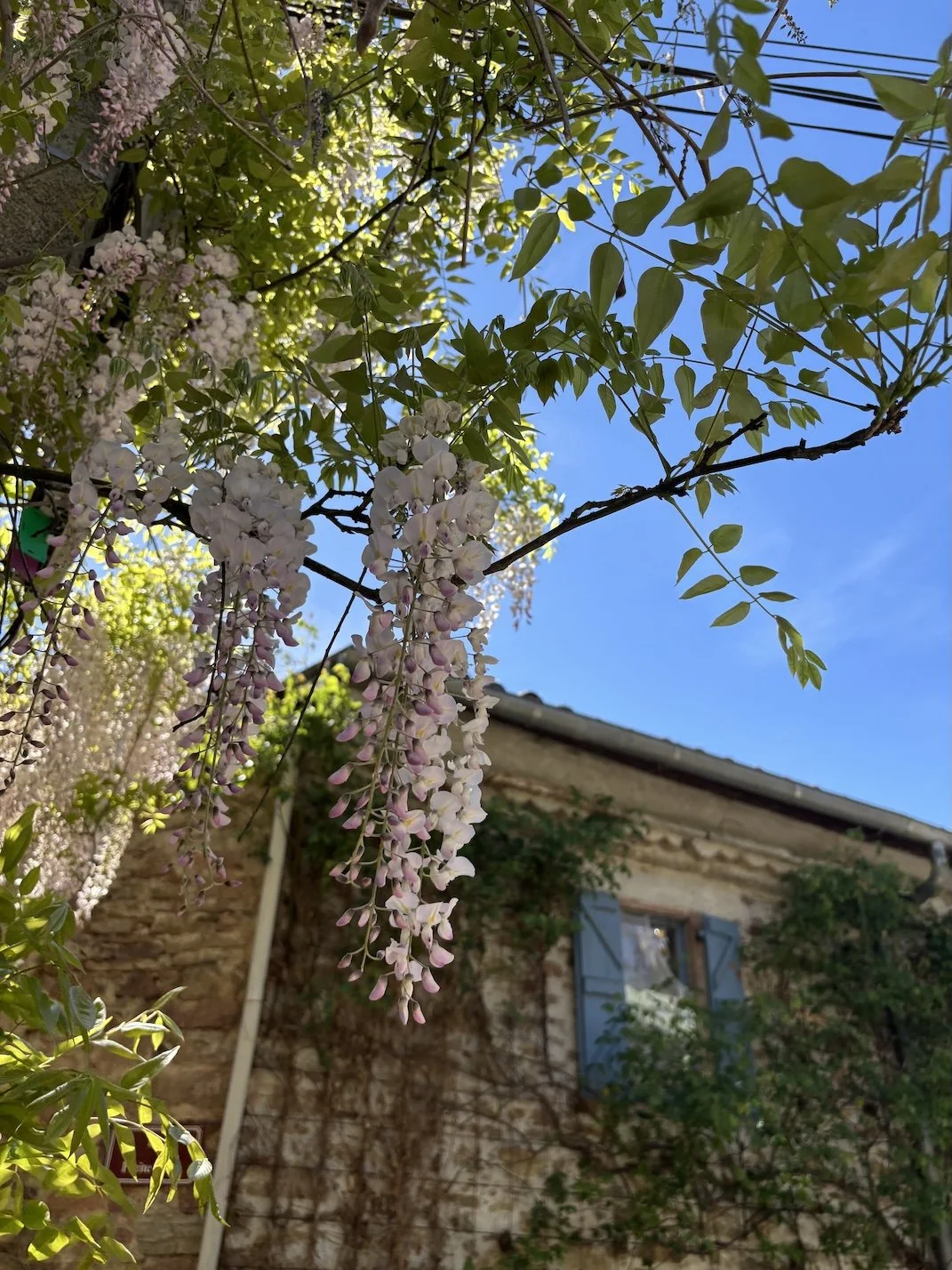
Seoka: finding connection in an unfamiliar place
One of the highlights of my summer was travelling to Lyon in July for the international ACT conference.
The Acceptance and Commitment Therapy (ACT) conference, called ACBS, brings together psychologists and other professionals from around the world. For five days, people came from Europe, North and South America, and Asia to learn, share new ideas and research, and spend time together around a common philosophy of science aimed at alleviating human suffering and helping people thrive.
I travelled solo this time, which made the experience especially meaningful for me. I had not been to an international ACT conference in nearly ten years, and although I know it is a welcoming community, I felt a little nervous about not knowing if I would see familiar faces or connect with anyone there.
However, upon arrival, I immediately felt at home.
I saw Jeanette, who I had supervised and worked with in Hanover for five years and who had travelled with me to ACBS Montreal in 2018. We ended up having lunch together almost every day, along with other people we met there. I also reconnected with conference acquaintances from over the years and met like-minded women who I have remained in touch with.
There was something so easy about how quickly the connections happened. We had a shared language, shared values, and a lived interest in our own growth and the growth of others. We did not need to know each other's personal stories to feel connected. Being part of the same community created an immediate sense of camaraderie.
The conference gave me a lot of new energy and charged my creativity. I met people I would love to collaborate with in the future, including a psychologist who studies menopause at a university near Nice. We have started talking about potentially collaborating in the future and sharing our expertise about the psychology of menopause.
I also found myself thinking a lot more about our own women's retreats in the Pyrenees.
There is a real parallel between travelling solo to an international conference and arriving alone at a retreat in France where you do not know anyone. Both require a little leap of faith. You have to make the time, spend the money, get on the plane, and accept the uncertainty, and enjoy the adventure. Interestingly, once you arrive, something shifts.
At the conference, I noticed that simply knowing another person was there for the same reasons made me feel more comfortable. I imagine this happens on our retreats too. You arrive not knowing exactly what the group will be like, and then you sit down together, walk together, share meals, and discover the connections that are possible.
I am truly so glad I went. I could easily have decided that I had too much to do and that there were other priorities: both things were true. Instead, I came home feeling more grounded, more myself, and with a sense of creativity and vitality that had dipped.
Sometimes what feels like too big of a commitment is the thing that gives the most back.
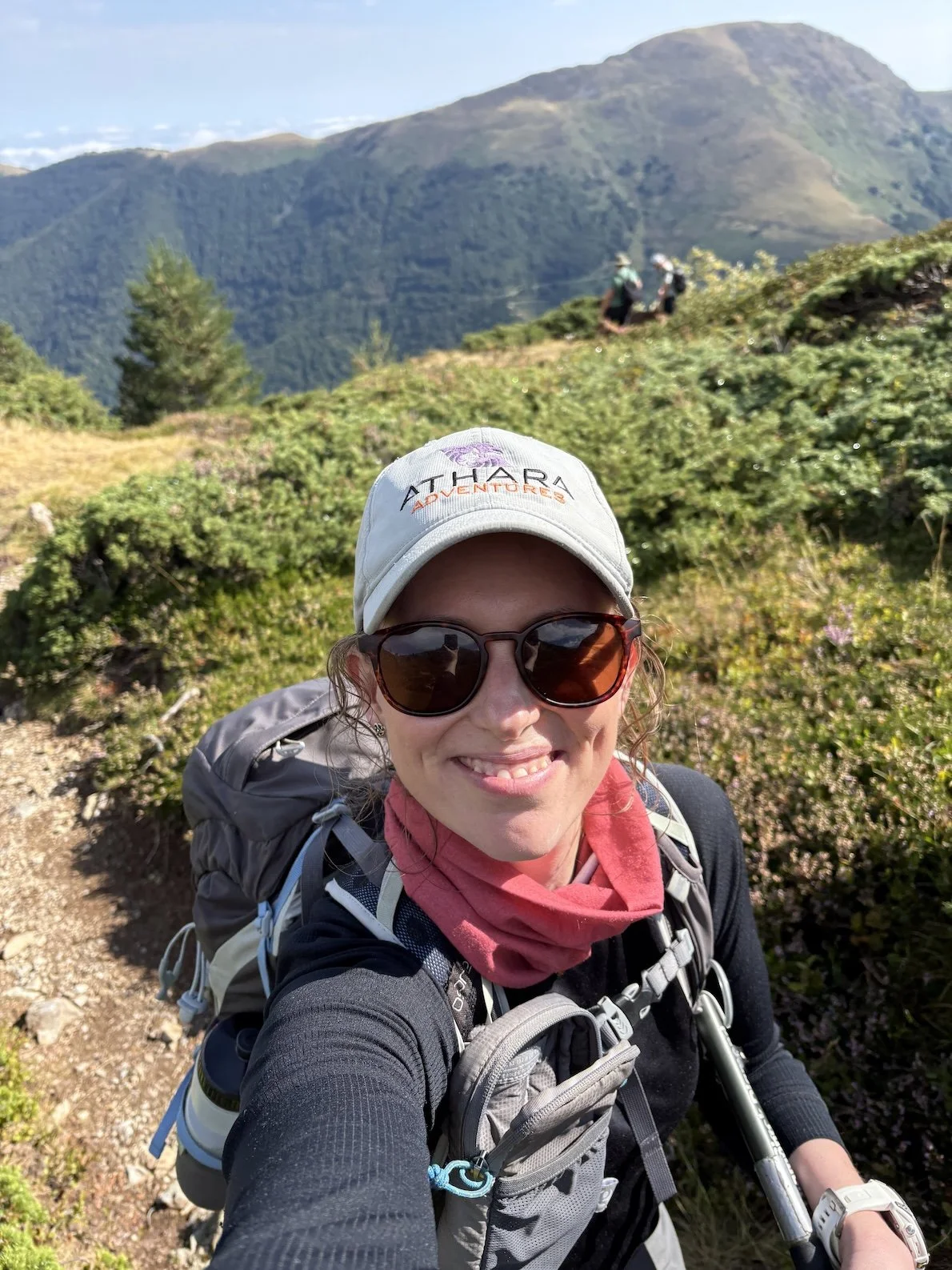
Sarah: hiking responsibly in a changing landscape
This summer, I have been thinking a lot about responsible tourism.
We have spent plenty of time outside over the past few months: hiking in the mountains, cycling, exploring trails, and preparing for our upcoming walking tours. And the longer the summer went on, the more obvious the lack of water became.
The drought began in June and continued through July and August, and the mountains here have felt the difference.
We are fortunate in Ariège to have a significant amount of water in the mountains, but even here, you can see how fragile the ecosystem becomes when the weather changes so dramatically. Whether it is prolonged drought, intense rainfall, flash storms or other unusual weather patterns, we have to become increasingly thoughtful about how we move through these landscapes.
That is one reason responsible tourism is such an important part of what we do.
When conditions are this dry, even small things can have a bigger impact. Something left beside a trail that might normally decompose with enough moisture can simply remain there. Footsteps off the path become much more visible because the vegetation is dry and fragile. A shortcut that might seem harmless can damage plants and leave a lasting mark.
So when we are hiking, we remind ourselves and our guests of the basics: stay on the trail, pack out what you bring in, and leave no trace.
We also think carefully about water.
There are beautiful mountain lakes and streams throughout the Pyrenees, and it can be incredibly tempting to jump straight into the water on a hot summer day. But these places are ecosystems in their own right. We might be covered in sunscreen or insect repellent, and there are plants and animals living in that water. I love wild swimming where it is appropriate, and did a lot of it this summer, but we also need to understand where we are and what impact we might have before getting in.
For me, responsible tourism also means remembering that the mountains are not simply a playground.
Ariège is an agricultural landscape as much as it is a destination for hiking and outdoor adventure. When we walk through the high mountain pastures, we are often sharing the land with sheep, goats and cattle belonging to local farmers. We might come across a herd lying directly across the trail, as I did on the GR10 this summer, and sometimes the appropriate response is simply to wait.
Sharing the trail with others is part of the magic. Instead of seeing a livestock gate as an obstacle on a hiking route, I see it as a way to share the mountain pastures (and a tool for keeping someone's entire herd where it is supposed to be)! I love that aspect of hiking here because it makes you much more aware that you are moving through a living landscape and how interconnected and interdependent we are with our surroundings.
Responsible tourism also means supporting the people who live here. When extreme heat, drought or fires affect tourism, local businesses and families feel that impact too. This is one reason we think about travelling beyond the busiest summer months. June, September and October can be beautiful times to visit the Pyrenees, and travelling outside the traditional high season can help extend the season for the small hotels, guesthouses and other businesses we work with.
For us, it is about thinking beyond the individual hike. It is about the land, the local economy, the agricultural traditions, the people who care for this landscape, and the visitors who come here to experience it.
We want our guests to have a wonderful time in the mountains, and make their experience richer by helping them to understand and be mindful of where they are. I think that knowledge makes the experience richer. When you understand why a gate matters, why a particular lake should be left undisturbed, or why a village festival is important to the local community, you are not simply visiting a place anymore. You are beginning to participate in its story.
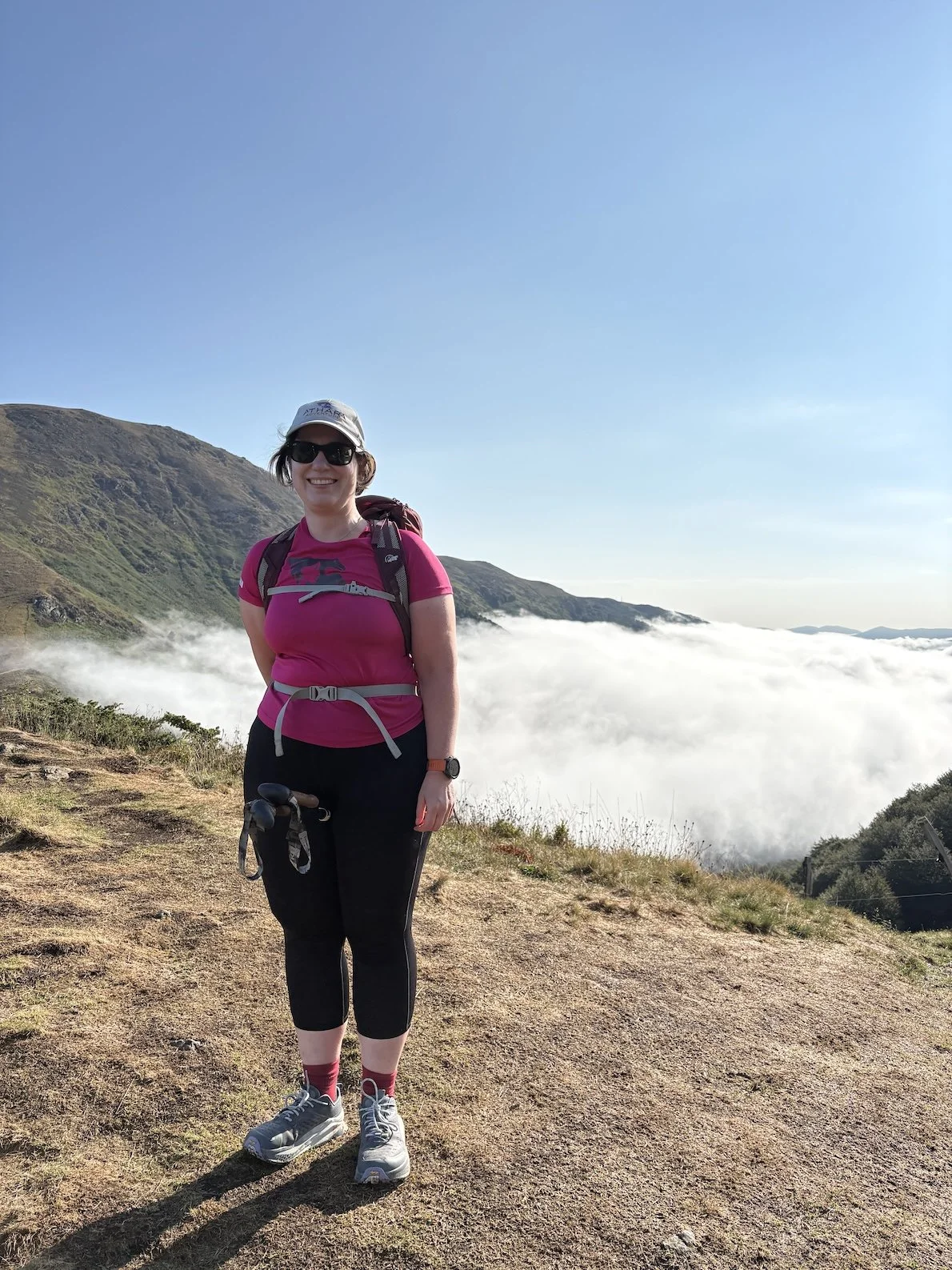
Anna: local life, thoughtful travel and the details that matter
For me, one of the themes of this summer has been the idea of taking responsibility for the small things.
We talk a lot at Athara Adventures about responsible tourism, and that includes the obvious things: supporting local businesses, eating locally, travelling thoughtfully and avoiding unnecessary driving. But it also means thinking carefully about the details that go into creating a really good experience for our guests.
Ariège is full of small businesses, local artisans, independent accommodation providers, farmers and producers. We want the money our guests spend here to reach those people as much as possible. That might mean eating seasonal food, buying something made locally, staying with a small lodging partner, or simply choosing to walk or cycle rather than getting into a vehicle when we do not need to. It is a very practical way of connecting with the place throughout the whole experience.
Food is a big part of that too. Eating seasonally and locally is one of the easiest ways to experience the rhythm of southern France. What is available changes throughout the year, and the markets, restaurants and small producers are part of what makes travelling here feel different from simply visiting a beautiful landscape.
We also think about how much driving we actually need to do.
When we take people into the mountains, we are not interested in putting them in a vehicle for hours simply because we can. Wherever possible, we walk, cycle and make thoughtful choices about how we move around the region. It is another small way of reducing our impact while also allowing people to experience more of the landscape directly.
Additionally, responsible tourism is not only about the environmental side.
There is also a responsibility to the person who has travelled all the way to southern France to join us.
We spend a lot of time thinking about the details before our guests arrive and throughout their time with us. Where are we going? How does everything connect? What will make the day feel smooth? What information will help someone understand what they are seeing? How can we make the experience feel special without overwhelming it?
There is so much to see and do in the Pyrenees that it would be easy to try to fit everything in.
Instead, we like to choose carefully.
The goal is to create an experience that tells a story about this place: its mountains, villages, food, traditions, people and landscapes. We want the experience to feel authentic rather than simply busy.
That also means sharing some of the culture of Ariège with our guests.
The agricultural traditions here are a good example. Festivals such as transhumance are not simply events put on for visitors; they are expressions of a culture and way of life that are still connected to the landscape. When we walk through mountain pastures and see animals grazing, we are seeing part of that living culture too.
I think that is one of the things I love most about this region. The mountains are spectacular, but they are not separate from everything else. The trails connect villages, farms, forests, rivers, pastures, and communities. The food connects us to the seasons. The festivals connect us to traditions. And the way we travel connects us to the future of the place.
For us, being thoughtful about all of those connections is part of creating a meaningful experience in the Ariège.
Athara Adventures creates thoughtful walking holidays, cultural experiences and retreats in France and the Pyrenees. Founded by Sarah, Anna and Seoka, Athara brings together a love of place, local knowledge, meaningful travel and time outdoors, helping guests experience this part of France with more depth, connection and ease.