How Seoka Coaches Women in Midlife
By Seoka Salstrom | Co-Founder, Athara Adventures | Psychology & Behavioural Science | 20+ Years’ Clinical Experience | Acceptance & Commitment Therapy (ACT)
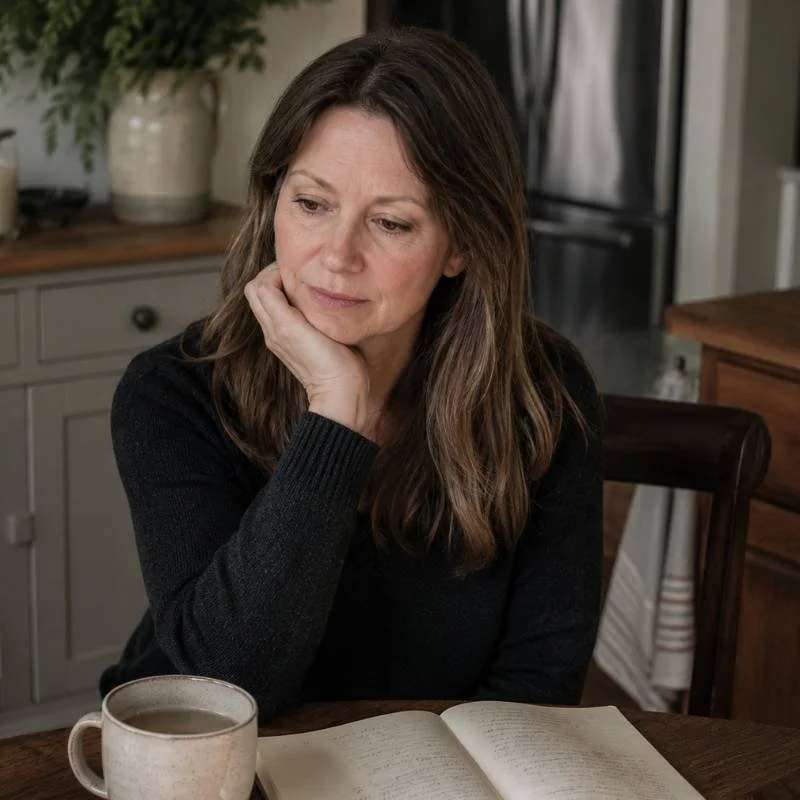
Midlife is often described as a time of change.
But that phrase can sound far too gentle for what many women actually experience.
For some women, midlife brings a quiet reorientation. For others, it arrives with force: anxiety, health fears, grief, exhaustion, hormonal changes, illness, relationship questions, career doubt, shame, and a loss of trust in the self they once knew.
Many women come to me not because they are falling apart, but because they no longer understand why life feels so hard to hold.
They may have been capable for decades. They may have built careers, raised families, supported others, navigated difficulty and carried responsibility with skill. And yet, something has shifted.
This is midlife coaching in the deepest sense: not coaching that tells women how to optimise themselves, but coaching that helps them understand what is happening with more compassion, clarity, and honesty.
The old strategies stop working, and without an understanding of the neurological, psychological, and hormonal changes underneath, that can feel frightening. With more understanding and compassion, those shifts may still be quite difficult, but they become less disorienting, and what emerges can be a powerful kind of growth.
That growth matters. Midlife is not only about what is being lost or disrupted. It can also be a time when strength, creativity, clarity, and self-ownership begin to come forward in new ways.
What women often come struggling with
Women in midlife often come to coaching with a mixture of visible life changes and private internal distress.
There may be relationship changes, career questions, illness, perimenopause, grief, fatigue, changing family responsibilities, or a growing sense that life no longer fits in the same way.
Some women are navigating menopause and looking for meaningful menopause support beyond being told simply to cope. Others are trying to understand menopause brain fog, disrupted sleep, shifting energy, anxiety, or the emotional intensity that can arrive when the body, mind, and life circumstances are all changing at once.
Some are adjusting to being an empty nester. Others are struggling with what is often called empty nest syndrome, not because they did anything wrong, but because a role that once gave shape to daily life has changed.
But beneath the circumstances, there is often a deeper question:
What am I missing?
Many women have lived long enough to understand something about being human. They have survived hard things. They have cared for others. They have developed competence and strength.
So when they suddenly feel anxious, emotionally reactive, foggy, sad, ashamed, or unable to cope in the ways they once could, it can feel deeply disorienting.
And yet, this disorientation does not always mean something is going wrong. Sometimes it means an old way of functioning is no longer sustainable, and a more honest way of living is beginning to ask for attention.
The pain is not only in the symptoms. It is the suffering that follows when they think those symptoms mean something is wrong with them.
Women often come to me carrying a quiet grief about how their bodies, brains, and energy are changing, and a keen awareness of what isn’t as accessible right now. It’s not complaint. They just feel stretched so thin, and then ashamed that they’re struggling at all because they used to be so functional.
Women often begin to wonder:
Why am I struggling so much?
Why can I not cope the way I used to?
Why do I feel so lost?
Why is joy harder to access?
Can I trust myself, my body, my thoughts, or my decisions?
These are not small questions.
What women often think the problem is
Many women arrive believing the problem is them.
They think they should be able to fix themselves. They think they should be able to manage their emotions better, make decisions more clearly, stay productive, keep caring for others, maintain their health, preserve their relationships, and somehow feel joyful at the same time.
When they cannot, shame often follows.
There’s this universal feeling of: ‘There’s something wrong with me’, I think most of us feel it at times, but it has gotten louder for many of the women I see. In midlife, this feeling can become especially strong.
Not because it is true, but because so many forces converge at once. Hormonal changes, aging, illness, grief, cultural expectations, medical dismissal, family responsibilities, and old emotional patterns can all arrive together.
Women who might once have looked for a midlife career coach, a menopause coach, a holistic life coach, or a transformational life coach are often not only looking for a plan. They are looking for someone who can help them understand the complexity beneath the surface before rushing towards solutions.
Because without that understanding, the mind often turns inward and blames the self.
What can feel like restlessness, irritability, or intolerance may also be the beginning of clearer truth. Many women find they have less capacity for people-pleasing, less willingness to override themselves, and less patience for relationships or roles that ask them to disappear.
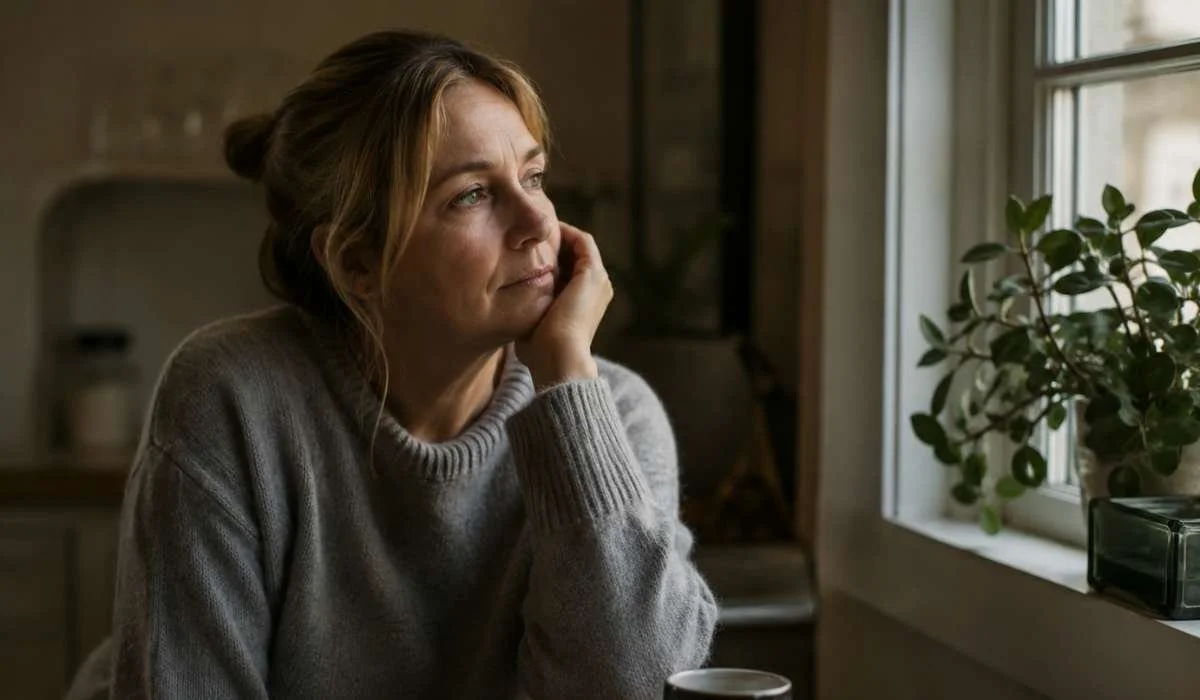
What is often happening underneath
What is often happening underneath is not personal failure.
It is a lack of preparation for a level of human experience many women were never taught how to meet.
Most of us were not taught how to relate to emotion in a healthy way. We were not taught what emotions are for, how they move through the body, or how to stay with them without feeling overwhelmed or ashamed for having them.
Many women were also not taught enough about their own bodies. Perimenopause and menopause can affect mood, sleep, energy, memory, anxiety, and confidence. Actually, it affects every organ in the body. For some women, these changes happen alongside serious illness or health uncertainty, making it even harder to know what is hormonal, what is medical, what is emotional, and what needs attention.
This can create a painful loop.
A woman feels something intense.
She judges herself for feeling it.
She believes she should be able to fix it.
Shame grows.
The emotion becomes even harder to hold.
Coaching begins by interrupting that loop.
What’s really happening is that women are being asked to navigate an internal landscape they were never taught how to read. We’re trained to look outside of ourselves for answers while the guidance we need is within.
At the same time, these changes are not only symptoms to manage. They can also open the door to a different kind of wisdom: clearer knowing, stronger boundaries, and a deeper sense of what matters now.
Why shame matters
For me, reducing shame is often one of the earliest and most important parts of the work.
Shame makes it harder to learn, reflect, connect, and change. It narrows the field of possibility. It keeps women turned against themselves at the very moment they most need compassion and steadiness.
When we remove judgement and shame around what’s happening, women have more space to understand themselves clearly and respond with compassion.
This is why shame matters so much. Shame can block the very capacities trying to emerge in midlife: creativity, clarity, courage, wisdom, and the ability to affect change.
This softening matters.
It does not solve everything. But it creates space.
And space is where choice lives and change begins.
How I help women move through it
My coaching is deeply attentive.
I listen not only to what someone says, but to how they speak about themselves. The small phrases. The casual self-judgements. The moments where shame slips into language before the person has even noticed it.
I’m listening and compassionately noticing the entire time we’re together. Sometimes the thing that needs attention shows up in one small sentence, or in the way someone talks about themselves without even realising it.
I help women understand what is happening in the present moment. Not because I know you best, but because I help you know yourself. I may acknowledge that patterns have histories, because we are all shaped by what we have lived, but coaching stays focused on what is alive now.
This can include:
Understanding emotions more clearly
Noticing the mind’s tendency toward shame and self-blame
Building self-compassion in practical, grounded ways
Exploring what joy, meaning, and direction look like now
Learning how to sit with uncertainty before rushing into decisions
This work is not only about easing distress. It is also about making room for desire, imagination, creative energy, and the question many women have not been encouraged to ask: what do I actually want?
Often what we need to address first are the barriers to even asking ourselves the deeper questions. The guilt. The self-doubt. The self-judgement. The fear of wanting something different. In the quiet that follows, we can daydream and more easily ask ‘What do I want for my life?’.
For some women, working with a female life coach matters because they want their lived experience to be understood without having to explain every layer of it. My work is not about fitting women into a formula. It is about listening closely enough to notice what is really happening.
In that sense, I am not simply a life coach female clients come to for motivation or accountability. I offer coaching for women who are trying to understand their emotions, their bodies, their histories, and the next honest questions in their lives.
The aim is not to force clarity.
The aim is to create the conditions in which clarity can emerge.
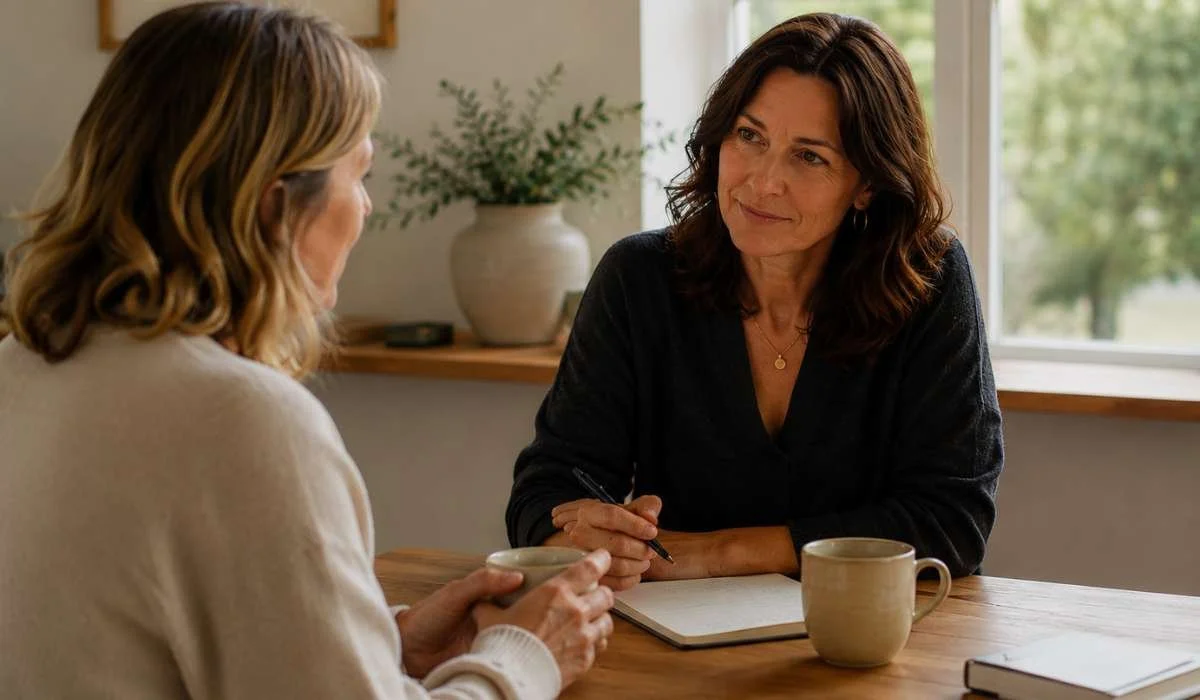
Individual and group coaching
I offer both individual and group coaching.
Individual coaching offers a private space to explore what is happening in your life with close, personal attention. It can be especially helpful when circumstances feel tangled, complex, or difficult to name. There is time to move at your own pace, return to patterns as they arise, and build trust in the work gradually.
Group coaching offers something different, and equally important.
For women moving through a similar stage of life, being in a group can bring relief almost immediately. Not because everyone’s circumstances are the same, but because the underlying experiences often echo one another: asking “where did I go?” uncertainty, changing energy, grief, self-doubt, questions about direction, and the quiet fear of being the only one struggling.
In a group, women are supported not only by me, but by the recognition that comes from being alongside others who understand the terrain. This can soften isolation and create a sense of shared courage.
Group coaching is not about comparison or performance. It is a carefully held space where women can learn, reflect, listen, and be witnessed as they move through a particular stage of their journey.
For some women, individual coaching is the right place to begin. For others, group coaching offers the connection and normalisation they have been missing.
Both forms of coaching are rooted in the same intention: to help women meet this stage of life with more clarity, compassion, and steadiness.
Coaching and retreats are different forms of support
Coaching and retreats are connected, but they are not the same.
A retreat offers immersion. It creates a dedicated container where women step out of daily life, enter shared experience, and spend several days learning, reflecting, and practising together. Athara’s retreats are intentionally designed to support women navigating transitions, uncertainty, and changing identities. Explore our upcoming midlife retreat here.
Coaching offers a different rhythm.
Rather than stepping away for several days, coaching unfolds over time. There is space between sessions to reflect, practise, notice patterns, and bring questions back. For some women, that steadier rhythm is exactly what is needed.
Coaching can also be a first step before joining a retreat, or a way to continue integrating the work afterwards.
Some women need individual support before they’re ready for the immersion of a retreat experience. Others benefit from having coaching after a retreat, when they’re trying to integrate what they’ve discovered into everyday life.”
Neither format is better. They meet different needs at different moments.
For women who cannot travel, or who want to begin from home, online life coaching allows the work to unfold in a steady and accessible way.
What may begin to shift
Through coaching, women often begin to feel less alone inside their experience.
They may start to understand that their emotions are not evidence of failure. They may notice shame more quickly, and soften around it. They may begin to trust that their reactions make sense in context.
But the shift is not only away from shame, anxiety, or self-blame. It is also towards self-trust, creative energy, clearer boundaries, deeper purpose, and greater ownership of how they want to live.
Together, we’ll ask deeper questions:
What brings me joy?
What matters to me now?
What have I been carrying that I no longer need to carry in the same way?
What kind of support do I actually need?
What might become possible if I stop treating myself as the problem?
Once you begin asking the questions honestly and actually wanting honest answers, the door opens. You never know when the answers are going to arrive, but they’re far more likely to arrive once the door is open.
A different way to understand midlife
Midlife does not need to be treated as a collapse.
It can be understood as a time when the body, mind, and life circumstances begin demanding a different kind of attention.
For many women, including women of a certain age who have spent decades being capable, dependable, and responsible for others, this period is not asking them to become more functional. It is asking them to become more honest, more compassionate, and more deeply connected to what is true.
Midlife is often a time when women can no longer abandon themselves in the ways they once could.
My coaching offers a space for that work.
Not by fixing women.
Not by giving them a new set of rules.
But by helping them see that they are not broken, and that what is happening may be painful, complex, and demanding, while also making way for power, wisdom, creativity, truth, and peace they may not have known in themselves before.
From there, women can begin again.
Not from shame.
From clarity, compassion, and a little more room to breathe.

About Seoka Salstrom, Midlife Coach at Athara Adventures
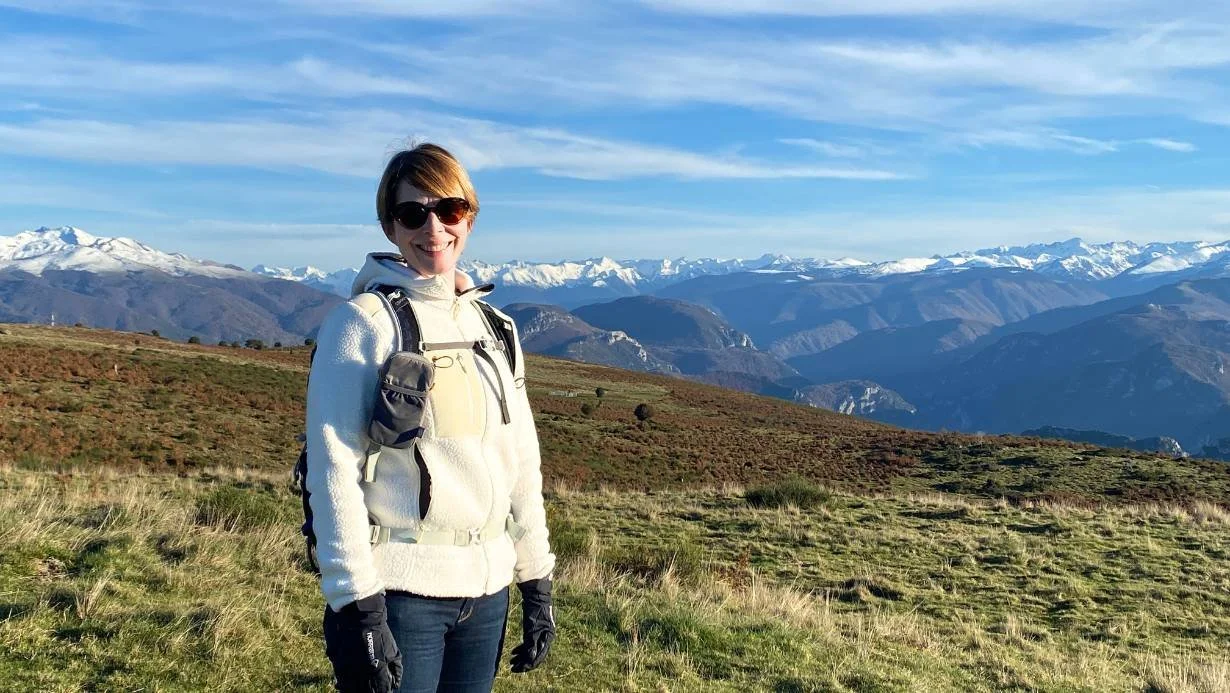
Seoka is a psychologist, coach, facilitator, and co-founder of Athara Adventures. Her work is rooted in Acceptance and Commitment Therapy, self-compassion, emotional education, and decades of experience supporting people through difficulty, transition, and change.
Before moving into coaching and retreat work, Seoka spent many years as a clinical psychologist, working closely with people of all ages. Today, she brings that clinical depth into a coaching space that is thoughtful, humane, and deeply attentive.
Her work with women in midlife is grounded in the belief that women are not broken. They are often carrying complex emotional, physical, relational, and cultural pressures with too little support.
Through individual coaching, group coaching, retreats, and Athara’s wider work in nature, Seoka helps women meet this stage of life with more clarity, compassion, and steadiness.