Solo Walking Holidays: How to Travel Independently Without Feeling Alone
By Athara Adventures
Travelling solo does not always mean wanting to be alone.
For many people, a solo walking holiday is not about isolation. It is about choosing something for yourself without waiting for the perfect companion, the perfect timing, or someone else’s permission.
You may want independence, but not uncertainty.
Company, but not constant conversation.
A route that feels rewarding, but not intimidating.
Enough structure to relax, and enough space to feel like yourself.
At Athara, many of our guests are women, and our small-group walking holidays often appeal especially to women travelling on their own. Men are warmly welcome on mixed departures too. What matters most is not gender, but fit: people who are curious, respectful, active, and drawn to travel that feels thoughtful rather than performative.
A good solo walking holiday should help you feel more confident, not more exposed.
If you are tempted, but hesitant
A lot of people are drawn to solo walking holidays before they feel fully ready to book one.
That hesitation is understandable.
You might wonder:
Will I be fit enough?
Will I feel awkward arriving alone?
Will everyone else know each other?
Will I have enough space?
Will I feel safe?
What if I am slower than the group?
What if I want company sometimes, but not all the time?
These are sensible questions. They are not signs that you are not adventurous enough.
In fact, asking them is part of choosing well.
A walking holiday is not just a destination. It is a daily experience shaped by pace, people, terrain, leadership, food, rest and the many small details that determine whether a trip feels enjoyable or stressful.
The right solo walking holiday answers those concerns clearly before you arrive.
What a good solo walking holiday gives you
A well-designed solo walking holiday offers a rare balance.
Independence without isolation
You book for yourself, travel as yourself, and still become part of a small group with a shared focus.
Structure without rigidity
The route, accommodation, meals and daily rhythm are planned, but the experience does not feel over-managed.
Challenge without performance
You walk, climb, explore and stretch yourself, but you are not there to prove anything.
Company without pressure
Conversation happens naturally while walking, eating and sharing the day, but silence and space are also welcome.
Support without fuss
You know who is leading, where you are going, what to expect, and who to ask if you are unsure.
For many people, this is the point. You are not handing over your independence. You are choosing a framework that lets you enjoy it.
Why walking makes solo travel easier
Walking is one of the kindest forms of group travel.
You do not have to sit across a table making conversation all day. You do not have to perform sociability. You move side by side. You notice things together. Conversation comes and goes.
A shared walking trail gives the group a natural rhythm.
There are moments of chat, moments of quiet, moments of effort, and moments where everyone simply looks up. Friendships often form gently, without being forced.
For solo travellers, this matters.
The landscape gives people something to do and something to share. Connection does not need to be manufactured.
Who solo walking holidays are for
Solo walking holidays can suit people at many different stages of life.
They can work well if you:
enjoy walking and being outdoors
want to travel but do not want to wait for someone else’s availability
like the idea of a small group, but still value personal space
prefer active, meaningful travel to resort-style holidays
want a route that has been planned by people who know it well
would rather ask questions before booking than guess from a generic itinerary
They may be less suitable if you want complete solitude, a fully self-guided trip, or a holiday where every detail is private and flexible.
The best solo walking holidays sit somewhere in the middle: independent, but not unsupported; sociable, but not intense; active, but not punishing.
Men are welcome too
Although Athara often appeals strongly to women, not every trip is women-only.
Some departures are designed specifically for women. Others are mixed and welcome men as well. The important thing is to check the individual tour page, because the group format may differ from one experience to another.
What remains consistent is the tone of the trip.
Athara tours tend to suit people who are thoughtful, respectful, curious about place, and interested in walking as a way to experience landscape, culture and history more deeply.
This is not about creating an exclusive atmosphere. It is about creating the right atmosphere.
What to check before you book
If you are considering a solo walking holiday, there are a few practical details worth checking carefully.
1. The level of fitness required
Do not rely only on words like “moderate” or “challenging”. Look for specifics.
Check:
daily walking distances
expected walking hours
ascents and descents
terrain underfoot
whether the route involves rocky paths, ridges, forest tracks, roads or steep sections
whether you need previous multi-day walking experience
You do not need to be an elite hiker for most guided walking holidays, but you do need an honest sense of your current walking fitness.
If in doubt, ask.
A good tour operator would rather have a proper conversation than have someone arrive unsure or underprepared.
2. The group size
Group size has a big impact on how a solo walking holiday feels.
A very large group can feel impersonal. A very tiny group can feel intense. A carefully sized small group usually gives the best balance: enough people for easy company, not so many that the experience becomes anonymous.
Athara’s walking holidays are intentionally small, because the group dynamic matters.
This allows guides to read the day more carefully, support different walking rhythms, and create a more personal experience without making it intrusive.
3. The daily rhythm
A good itinerary should give you a sense of how each day flows.
Ask:
What time do walks usually begin?
Are there proper pauses?
What happens after the walk?
Is there time to rest before dinner?
Are cultural visits built into walking days or separate days?
How much time is spent transferring between places?
This matters because a holiday is not only the headline route. It is the rhythm of the whole day.
4. What is included
Check what is and is not included before you book.
Look for clarity around:
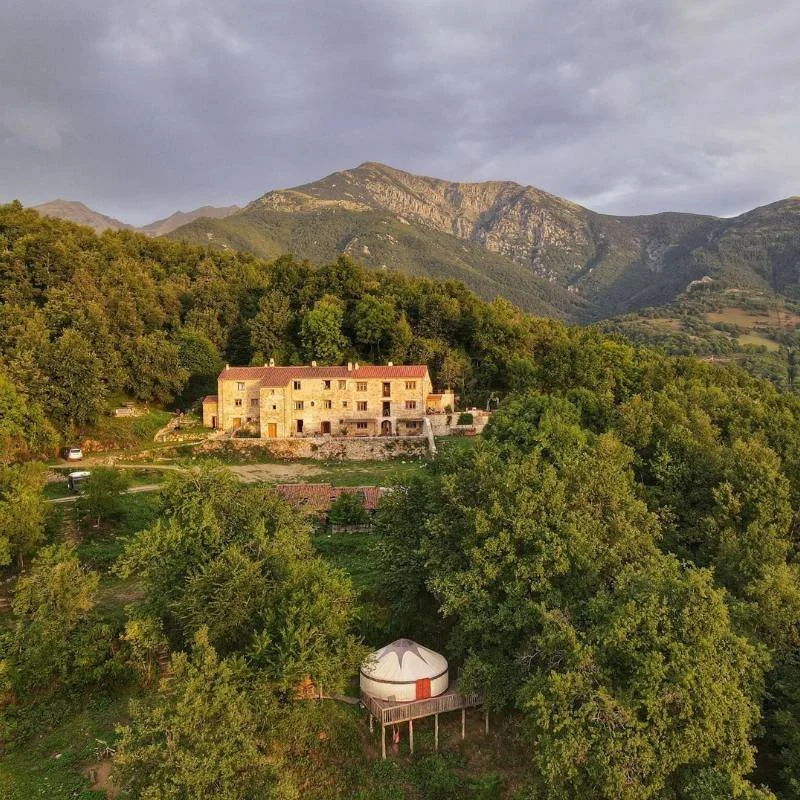
accommodation
meals
guiding
luggage transfers, if relevant
airport or train station meeting points
local transport
entrance fees
equipment expectations
travel insurance requirements
Clear information reduces anxiety. It also helps you compare holidays properly.
A cheaper trip is not always better value if you are left carrying more logistics yourself.
5. Whether you can speak to someone first
This may be the most important point.
If you are hesitating, a short conversation can help you understand whether the trip is right for you.
At Athara, we encourage this. Not because we want to persuade everyone to come, but because fit matters.
Sometimes a conversation gives someone the confidence to book. Sometimes it helps them choose a different route or wait for another departure. Both outcomes are useful.
The planning behind the scenes matters
A walking holiday can look effortless when it is done well.
But ease is rarely accidental.
At Athara, routes are walked, tested and refined by the women who lead and shape the tours. Sarah, Anna and Seoka spend many hours on the ground before a guest ever arrives. They check paths, timings, rest points, food stops, village logistics, weather alternatives and the feel of each day.
They ask practical questions.
Where will people need water?
Where does the group need a pause?
Which route is beautiful, but too tiring for day three?
Which lunch stop changes the whole rhythm of the day?
Where does the path feel exposed?
Where does the view make the effort worthwhile?
This kind of curation matters even more for solo travellers.
When you are arriving on your own, you want to feel that the details have been thought through by people who know the land and understand the experience from the inside.
Many thousands of footsteps sit behind the calm surface of an Athara tour.
Enough company, enough space
One of the fears people have about solo group travel is that it will be too social.
Another fear is that it will not be social enough.
A good walking holiday makes room for both.
There is company when you want it: walking conversations, shared meals, daily briefings, cultural visits, group arrivals at viewpoints, the quiet satisfaction of completing a day together.
There is also space: moments on the trail, time before dinner, pauses to look out, early nights, quiet mornings, and the freedom not to explain yourself constantly.
This balance is one of the reasons walking holidays work so well for independent travellers.
They allow you to belong without losing yourself.
Booking with friends, family or a private group
Solo travel is only one way to experience Athara.
Many of the same qualities that make Athara tours supportive for solo travellers also make them ideal for groups of friends, sisters, mothers and daughters, families, walking groups, coaching communities or people who want to travel together with more intention than a standard holiday allows.
A private walking holiday can often be shaped around your group’s interests, capacity and preferred dates, where season, guide availability and group size allow.
This is especially useful if you already know who you want to travel with, but do not want to take on the planning yourselves.
Athara brings the route knowledge, pacing, accommodation, food, local relationships and practical judgement. You bring the people and the reason for gathering.
The date is often only one detail. The route, the people and the way the experience is shaped around them are what matter most.
If you are considering a walking holiday with friends or family, you can explore Athara’s private walking holiday options or start a conversation about what might be possible.
Where solo travellers can walk with Athara
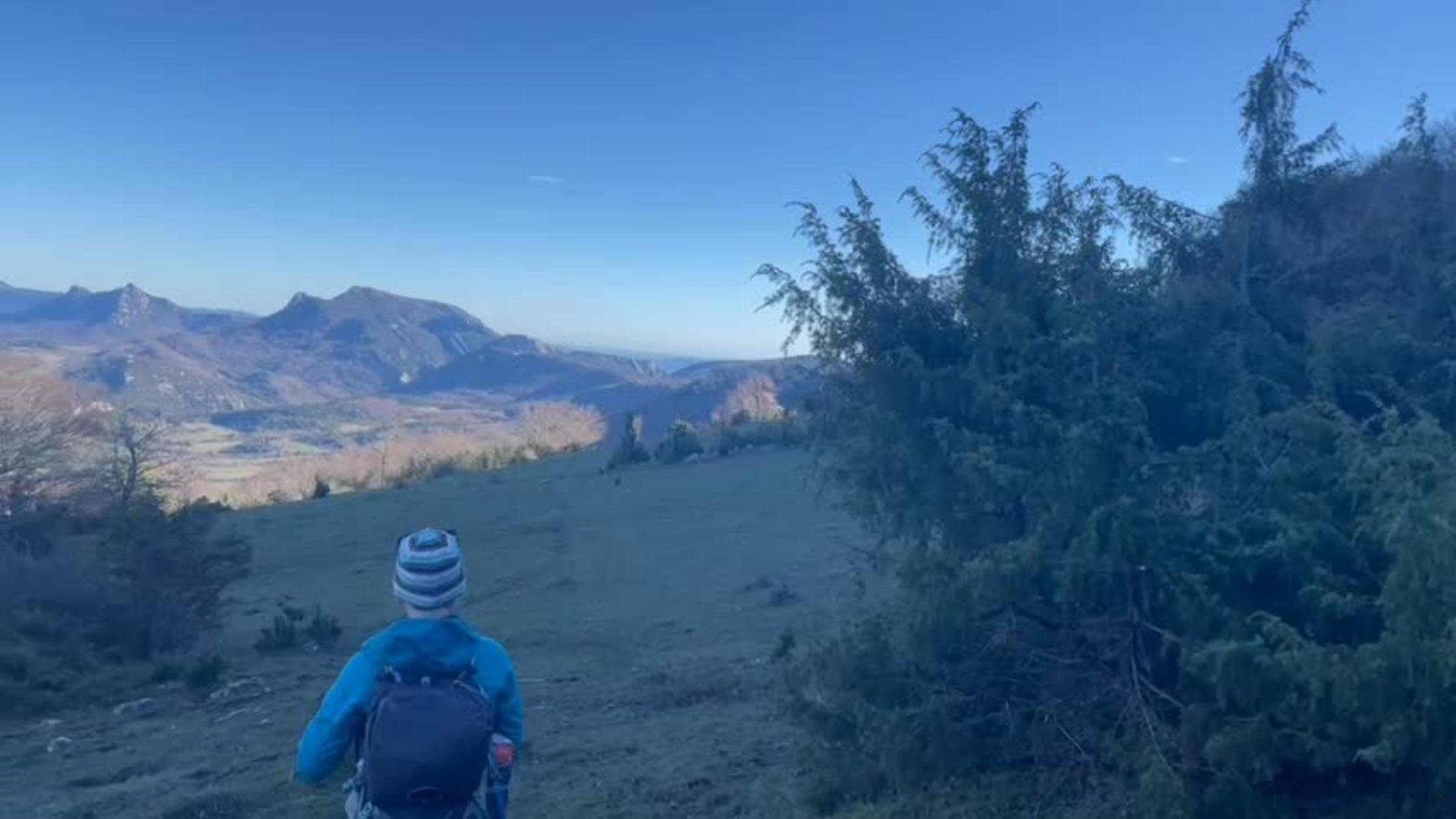
Athara’s walking and hiking holidays are rooted in landscapes that combine movement, history, culture and natural beauty.
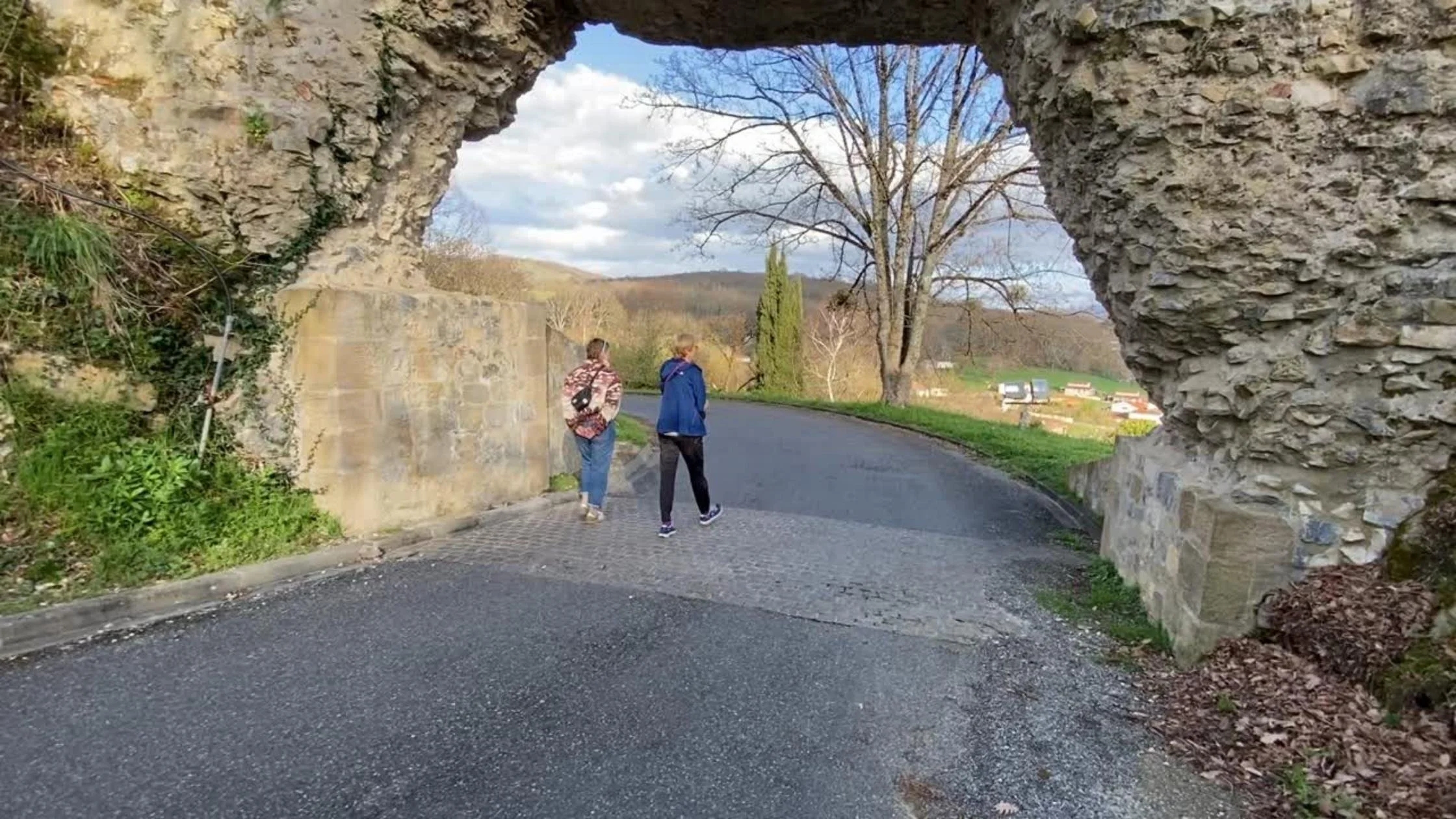
In the French Pyrenees and Pyrenean foothills, routes such as the Sentier Cathare walking tour and the Chemin de la Liberté walking tour offer walking through historic trails, mountain landscapes, Cathar castles and medieval villages.
In Norway, Athara’s Valkyries and Vikings hiking holiday offers a different kind of landscape, with high-country walking in Hemsedal, long Nordic summer light, fjord scenery, Viking history and the Scandinavian Alps.
Each route has its own character. What connects them is Athara’s approach: small groups, clear pacing, thoughtful planning and the belief that active travel should feel alive, not performative.
Solo walking holidays with Athara
A solo walking holiday asks for a particular kind of courage.
Not the loud kind. Not the kind that needs to prove something.
The quieter kind that says: I would like to do this, and I am willing to begin.
Athara’s small-group walking holidays are designed for people who want active travel with care, depth and good judgement.
The routes are planned by women who live and work in the landscapes they share. The pace is considered. The groups are small. The experience is personal without being intrusive.
For solo travellers, this can offer a rare combination: independence, companionship and support from people who have thought deeply about the journey before you arrive.
You can explore Athara’s walking holidays in Europe, including upcoming trips in the French Pyrenees and Norway, or enquire about shaping a private walking holiday for your own group.
Frequently asked questions
Are solo walking holidays only for single people?
No. Many people who book solo walking holidays have partners, families or friends, but choose to travel independently because the timing, destination or experience feels right for them.
Are Athara walking holidays only for women?
No. Athara often appeals strongly to women and some experiences are women-only, but mixed departures welcome men too. Check the specific tour page for details.
Will I feel awkward arriving alone?
It is natural to wonder about this. Small-group walking holidays often make arrival easier because everyone has a shared focus from the start. Walking, meals and daily briefings create structure, so connection can develop naturally.
How fit do I need to be for a solo walking holiday?
This depends on the route. You should read the walking distances, terrain notes and fitness guidance carefully. In general, you should be comfortable walking for several hours and have a regular walking practice.
What should I do before booking?
Read the itinerary carefully, check the walking distances and terrain, consider your current fitness, look at what is included, and arrange a conversation if you are unsure.
Can I have my own room?
This depends on the specific tour, accommodation and availability. Check the individual tour page or ask Athara directly before booking.
Can I book a private walking holiday with friends or family?
Yes. Where season, guide availability and group size allow, Athara can shape private walking holidays for friends, families and groups using existing routes as a foundation.
What makes Athara different from a standard walking holiday company?
Athara is women-founded, women-led and deeply rooted in the landscapes it shares. The routes are walked, tested and refined by the team, with attention to pace, food, accommodation, terrain, group experience and the small details that shape how a holiday actually feels.