You Are Not Lost. You Are Between Versions of Yourself.
By Seoka Salstrom | Co-Founder, Athara Adventures | Psychology & Behavioural Science | 20+ Years’ Clinical Experience | Acceptance & Commitment Therapy (ACT)

Feeling lost is one of the most uncomfortable experiences many women face in midlife.
It can arrive quietly. Life may look full from the outside. Work continues. Relationships remain. Responsibilities are met. And yet, internally, something feels unmoored.
There is often a sense of standing in unfamiliar territory without a clear map. The roles that once defined us no longer fit in the same way, but the next version of ourselves has not yet taken shape.
This can be deeply unsettling.
And it is also profoundly human.
The misunderstanding of feeling lost
In our culture, feeling lost is often treated as a problem to fix.
It is framed as confusion, indecision, or lack of direction. Something to be resolved as quickly as possible. Something that suggests failure or inadequacy.
For women who have spent much of their lives being capable, dependable, and clear-headed, this feeling can be particularly distressing. It contradicts the identity they have worked hard to build.
ACT offers a different lens.
Feeling lost is not a diagnosis. It is not a weakness. It is often a sign that an old identity is loosening, and a new one has not yet arrived.
That space in between is not emptiness. It is transition.
When identity has been shaped by roles
Many women in midlife have lived within clearly defined roles for a long time.
Professional roles. Family roles. Caregiving roles. Roles that were necessary, meaningful, and often deeply valued.
Over time, identity becomes closely tied to these structures. We know who we are because we know what is expected of us.
But roles are not static. Children grow up. Careers shift or plateau. Circumstances change. Energy changes.
When a role loosens or ends, identity often loosens with it.
This is not because we were doing something wrong. It is because identity is relational. It forms in response to context.
When the context changes, the sense of self must renegotiate its shape.
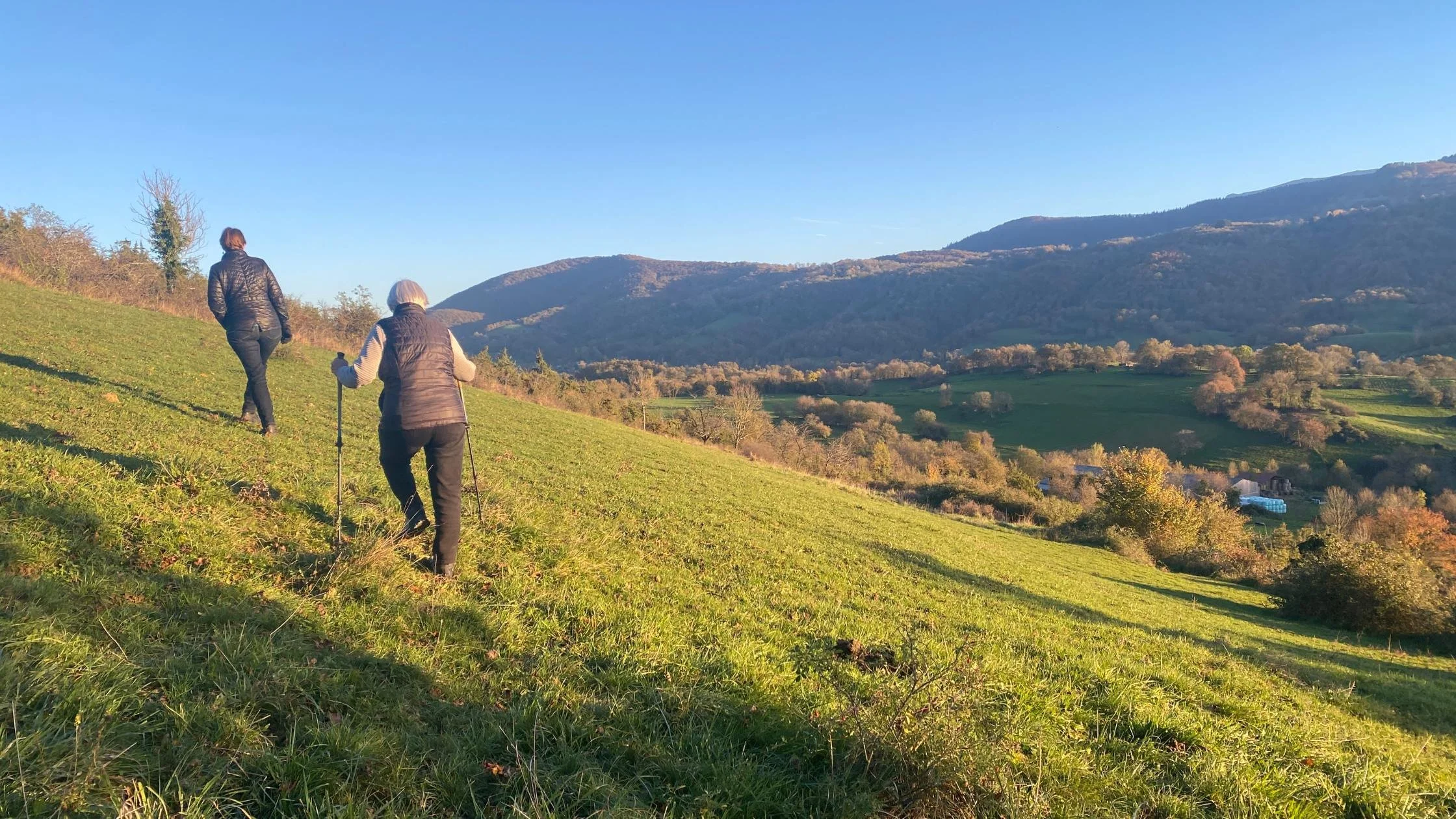
The discomfort of the in-between
The space between identities is rarely comfortable.
There is uncertainty. Ambiguity. A lack of clear reference points. We may feel less articulate about who we are. Less confident in our place.
This can trigger a strong urge to rush toward resolution. To adopt a new label. To make a decisive change. To “figure it out” quickly.
ACT invites us to notice this urge with compassion.
The desire to escape the in-between is understandable. It is also not always helpful.
Some aspects of identity cannot be forced into clarity. They need time, experience, and space to emerge.
Why midlife intensifies this experience
Midlife is often when identity transitions become unavoidable.
Earlier in life, identity can be reinforced by momentum. We are busy building, striving, and responding to immediate demands.
Midlife brings more perspective. We can see patterns. We can feel when something no longer reflects who we are becoming.
This awareness can feel disorienting. It can also feel like relief.
Many women describe a sense of standing between versions of themselves. The person they have been, and the person they are not yet.
This is not regression.
It is development.

Naming the space rather than escaping it
One of the most supportive things we can do during identity transition is to name the space honestly.
Not as being lost, but as being between.
Between roles.
Between identities.
Between ways of being.
This naming matters. It removes the pressure to perform certainty before it is available.
ACT emphasises the importance of making room for experience as it is, rather than how we think it should be. Identity transitions ask for this same generosity.
Five signs you may be between versions of yourself
Identity transitions are rarely dramatic. They tend to show up in subtle, often confusing ways.
1. What once felt natural now feels effortful
Roles or identities that used to fit easily begin to feel heavy or misaligned.
2. You struggle to answer simple questions about yourself
Questions like “What do you do?” or “What’s next?” feel strangely difficult.
3. You feel both grateful and unsettled at the same time
Appreciation for what you have exists alongside a sense of something unfinished.
4. You are less interested in defining yourself
Labels feel limiting rather than clarifying.
5. You feel drawn to spaces that allow you to be undefined
Time away from familiar contexts feels supportive rather than indulgent.
These signs do not mean you are adrift. They suggest that identity is reorganising.
The pressure to become someone new
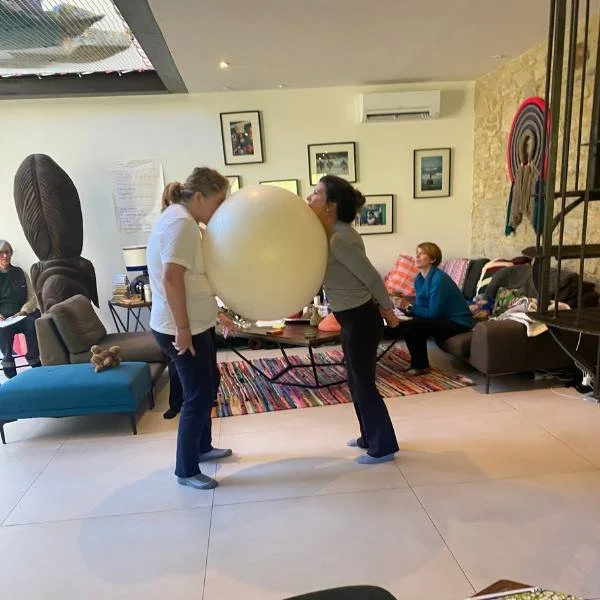
There is often an unspoken pressure in midlife to “reinvent yourself”.
New projects. New identities. New ways of presenting who you are.
While reinvention can be energising for some, it can also be another way of avoiding the discomfort of the in-between.
ACT does not rush transformation.
It recognises that sustainable change often emerges after a period of not knowing. Of loosening. Of allowing old structures to fall away before new ones are imposed.
You do not need to become someone new immediately.
You may simply need to stop insisting on being who you were.
Identity as something that unfolds
Identity is not a fixed possession. It is an ongoing process.
We are shaped by seasons, contexts, relationships, and experiences. Midlife is one of those seasons that asks for reconfiguration rather than maintenance.
Allowing identity to unfold requires patience. It also requires trust that not knowing is not the same as being lost.
In ACT, we talk about making space for experience without judgement. The in-between is one of those experiences.
It is not comfortable. But it is often fertile.
How Athara holds this threshold
At Athara, we meet many women standing in this space.
They arrive not seeking a new identity, but relief from the pressure to define one. They want environments where they are not required to explain themselves or know what comes next.
Through retreats and time in nature, we create spaces where identity can soften. Where women are not reduced to roles or achievements. Where the in-between is not rushed.
This is not about producing clarity on demand.
It is about allowing identity to breathe.
A different way of understanding where you are
If you feel lost, it may help to consider another possibility.
You are not lost.
You are between versions of yourself.
This space is not a mistake. It is not a failure of direction. It is a natural phase of becoming.
You do not need to resolve it immediately. You do not need to define yourself prematurely.
Sometimes, the most honest thing to do is to remain open long enough for the next version of yourself to arrive.